HR Transformation: the key to elevate both EX and Performance

June 18 2025


Why transform HR HR transformation is no longer optional—it’s essential as the world shifts dynamically. A strategic evolution of Human Resources is a key to driving operational excellence, and creates significant business value. With talent becoming a primary driver of competitive advantage and new pressures from economic shifts, hybrid work, and evolving employee expectations, the HR function must now continually adapt to deliver greater impact. HR transformation isn’t typically about massive, disruptive change. It’s about incrementally evolving the HR function… Read more »

Engagement needs a lift – what it is and how to raise it

March 14 2025

Why Is Employee Engagement Important? Research by Gallup and others shows that with engaged employees, organisations experience MUCH better outcomes in areas like absenteeism, safety, productivity, customer loyalty, and profitability – all keys to the organisation thriving. But globally, engagement is low – again according to Gallup, it’s at only 23% of employees! This points straight at a huge need for many organisations to improve their engagement strategies to boost effectiveness and staff satisfaction and wellbeing. So let’s delve into… Read more »

Are you onto these key workforce trends of ’25?

February 18 2025

Learn, unlearn, relearn Today’s workforce is increasingly defined by its ability to learn, unlearn and relearn, with the pace of change impacting role design significantly. About two-thirds of today’s roles didn’t exist 20 years ago. Mobility is increasingly internal At the same time, hiring around the world has become sluggish and is in decline after recent heights. But internal mobility is on the rise. Internal mobility rates globally have increased by 6% globally year-over-year, and this trend is expected to… Read more »

Communication – the first essential in change management

September 3 2024

There are several key elements that leaders implementing change programs should use to support a successful change, and to support their people through the process. Changefirst’s Audra Proctor says that the four elements are Communication, Involvement, Learning, and Recognition, and in this brief article we pick up on what she says about the first – Communication. It’s essential that leaders prioritise and use frequent communication right throughout a change program. This communication should be performance-focused (eg. “how is this going… Read more »

Quiet quitting’s changed, unhappy staff now just hanging on

August 23 2024

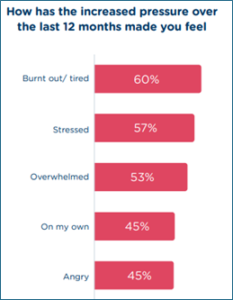
Intro: Staff are bunkering down, managers are overwhelmed Remember the quiet quitting era? It’s recent, and brief, and it’s all over! With the tailend of ’24 coming up, Australian organisations now face a more complex staffing issue: employee retention is up while employee happiness and engagement are falling. The pain is being felt keenly by middle managers (particularly female and regional managers), who are burnt out, stressed and overwhelmed. And nearly half are angry! These trends, uncovered in the recent… Read more »

Perks great, but a thriving culture takes much more

August 5 2024

Creating a thriving workplace culture goes far beyond offering flashy perks like free lunches, yoga classes and dog-friendly offices, as appealing as these may be. And if we think it’s all about pay and benefits, think again. Whereas employees say that being paid fairly makes them twice as likely to think their workplace is great, when employees are proud of their work, they are 20 times more likely to say it’s a great workplace! At its core, a great company… Read more »

Are your managers destroying staff engagement?

July 24 2024

Many leaders would love to know the key to staff engagement in their workplace. Well, let’s start with manager engagement. Managers not engaged globally Only 3 in 10 managers globally are engaged in their jobs, according to Gallup’s most recent global survey of workplaces (engagement meaning feeling involved and enthusiastic about the workplace and one’s role). The obvious question is: how can managers who aren’t highly engaged in their jobs engage and improve the wellbeing of those they lead? Clearly,… Read more »